
How Long Does a Custom Towel Order Really Take?
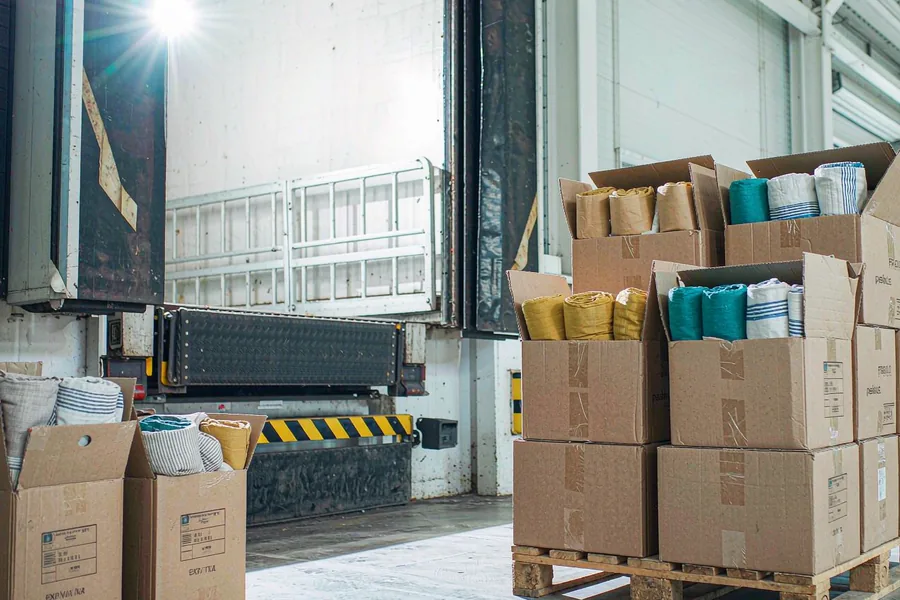
Short answer: A realistic custom towel timeline is 4–9 weeks from approved sample to shipment, plus sampling (5–12 days) and freight (3–35 days depending on mode). The breakdown: yarn sourcing and dyeing is usually the longest stage (1–3 weeks), weaving and finishing are comparatively fast (1–2 weeks), and most real-world delays come from late artwork approval and colour confirmation — not production.
The stage-by-stage calendar
| Stage | Typical time | What decides it |
|---|---|---|
| Sampling (your spec) | 5–12 days | Fabric availability; express sampling possible on standard bases |
| Sample approval & colour sign-off | 3–10 days | How fast the buyer approves — the single biggest lever |
| Yarn sourcing + dyeing | 1–3 weeks | Custom colours need dye lots; standard colours are in stock |
| Weaving | 1–2 weeks | Loom scheduling; low-MOQ orders slot between big runs |
| Finishing, cut & sew, QC | 4–10 days | Embroidery/printing adds time; QC is not optional |
| Packing + booking | 3–7 days | Peak season freight booking needs lead time |
Add freight on top: air 3–7 days, express courier 4–8 days, sea roughly 15–35 days to major ports plus customs clearance. For a first order, sea freight is usually the rational choice — which means the decision that protects your season is the sample approval date, not the shipping mode.
The five preventable delays
1) Artwork changes after sampling. 2) Pantone chosen from a screen instead of a physical swatch. 3) Labels/packaging art approved last. 4) Insisting on an exact ship date instead of a window. 5) Splitting a small order across two factories. All five are decisions, not accidents.
Why low-MOQ orders often ship faster
A 300–500 piece custom order weaves in a day or two on one loom — the schedule question is finding that slot between larger runs. Mills that run low-MOQ programs deliberately reserve such slots, which is why small first orders frequently beat their nominal lead time while a 5,000-piece order queues behind bigger programs.
How to compress the timeline honestly
- Approve colours from a physical swatch, not a screen. Screen colour is a guess; guessing triggers remakes.
- Freeze artwork before sampling. Every post-sample artwork change restarts the sample clock.
- Approve labels and packaging in week one — they are on the critical path and always get forgotten.
- Ask for a stage-based schedule (“dye lot booked”, “on loom”, “in finishing”) so you see drift early, not on the ship date.
- Book sea freight in peak season early — August-to-October vessel space fills weeks ahead.
Lead time is not a factory promise. It is a cooperation between the mill’s schedule and the buyer’s decision speed.
What actually happens inside the long stages
Yarn sourcing and dyeing (1–3 weeks) is the quiet bottleneck. Custom colours are dyed in lots: the yarn must be wound onto bobbins, dyed, dried, re-wound and lab-dip matched before a single metre is woven. A buyer who approves the lab dip in two days saves a week; one who re-opens the colour conversation after dyeing loses two. This is also why standard colours move faster — the dye lot already exists.
Weaving (1–2 weeks) is a scheduling question more than a technical one. Your order competes for loom time with every other program in the mill; low-MOQ orders slot between big runs, which is why small first orders often beat their nominal date.
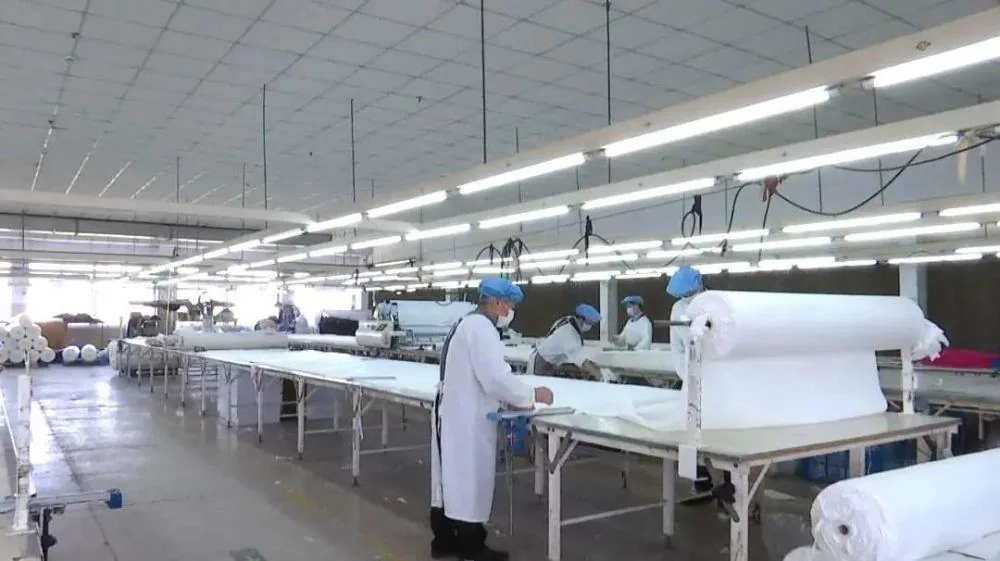
Finishing, cut & sew, QC (4–10 days) is where shortcuts bite. Washing, pre-shrinking, hemming, embroidery or printing, then inspection piece by piece. Compressed QC schedules ship problems instead of catching them — the false economy behind most “we can do it in two weeks” promises.
Working backwards: a calendar for a summer launch
For a northern-hemisphere spring/summer towel season, reverse-plan from the launch month:
| Before launch | Milestone | Why it sits here |
|---|---|---|
| 4–5 months | Brief the mill; sampling starts | Leaves room for one full sample revision without panic |
| 3.5 months | Approve lab dip and physical sample | Unlocks the dye lot — the longest lead item |
| 3 months | Artwork, labels, packaging frozen | The forgotten critical-path items |
| 2.5 months | Production starts (dye → weave → finish) | Includes QC and re-make buffer |
| 6–8 weeks | Goods finished; book sea freight | Peak-season vessel space fills weeks ahead |
| 3–5 weeks | On the water; documents in progress | Customs clearance happens before you sell |
| Launch month | On your shelf | With buffer to spare — or time to react |
Winter holiday programs shift the same logic earlier: sea freight out of Asia in Q4 competes with peak season surcharges and congestion, so autumn orders want to be booked by late summer.
What a professional schedule looks like
A stage-checkpoint schedule you can hold a supplier to
“Sampling: 5–12 days → your approval by [date] → lab dip in 7 days → dye lot booked [date] → on loom [date] → finishing [date] → QC passed [date] → ex-factory [date]”. Every stage has a date and an owner. A supplier who offers this format is telling you they run schedules; one who offers only a final date is telling you they hope.
Reorders: the hidden advantage
Once your first order exists — approved sample, dyed colour recipe, packaging files — the reorder timeline drops dramatically: typically 2–4 weeks production plus freight. This is the compounding return of doing the first order properly, and it is why brands that treat a first order as a market test re-order into the season instead of missing it.
Frequently asked questions
Can you make custom towels in 2 weeks?
For standard base fabrics in stock colours, express sampling and production can compress to roughly 2–3 weeks — but custom dye colours cannot be skipped, and compressed schedules cost more per unit.
What adds the most delay in practice?
Buyer-side approval loops: artwork revisions, colour chosen from screens, late packaging files. Factories wait for answers far more often than buyers wait for machines.
Does a bigger order take proportionally longer?
Not proportionally — but very large orders queue behind existing commitments. A realistic window and early booking beat a rushed exact date every time.
Should I ship air or sea for a first order?
If the season allows, sea. The saving on a first test order pays for part of the second order’s production. Air makes sense for urgent top-ups.
When should I start for a spring/summer season?
Work backwards: sea freight + customs before your launch month, production before that, sampling before that — contact the mill roughly 3 months ahead for a smooth first run.
How accurate are lead time promises?
Judge suppliers by whether they give a range with stage checkpoints. A single confident date with no milestones is a guess wearing a suit.
Why does yarn dyeing take so long?
Custom colours are dyed in lots: wind, dye, dry, re-wind, then lab-dip match before weaving starts. Approving the lab dip quickly is the single biggest calendar lever a buyer controls.
Get a stage-by-stage schedule with your quote
Send us your target launch date and spec. You will get a dated production plan — sampling, dye lot, weaving, finishing, freight — not just a number.
Get my timeline →Sinmal Production Team
Weaving & finishing, Sinmal Home Textile · Last updated September 2026
Keep reading
- Our Ordering Process — Every step from enquiry to door
- Shipping and Delivery — Door-to-door terms explained